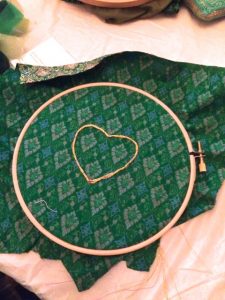
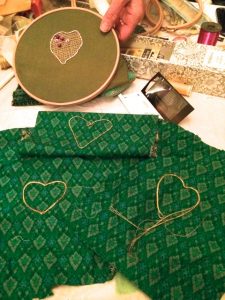
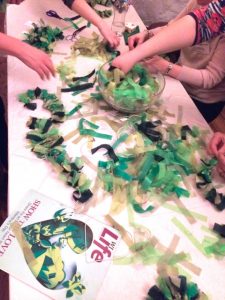
To mark the 100 year anniversary of some women getting the vote, we have had a very special walking tour meeting; this also gave us a chance to enjoy the sunny weather. We had a very pleasant walk around the central London Suffragette sites. We saw the outside of their headquarters in Holborn and the site of the Endell Street Military Hospital which was run by Suffragette members, as well as many other sites. An interesting observation that we made is that window smashing is apparently much harder than you might think, the Suffragettes had evening classes in order to learn how to do it effectively!
Woman and her Sphere, Elizabeth Crawford – lots of individual stories
http://womanandhersphere.com
Link to her books
http://www.thesuffragettes.org/resources/books/
LSE Woman’s Library details
http://digital.library.lse.ac.uk/collections/thewomenslibrary
Fawcett Society
http://www.fawcettsociety.org.uk
Muriel Matters Australian film
http://www.abc.net.au/arts/stories/s3864731.htm
Robert Wainwright biography
https://www.harpercollins.com.au/9780733333736/
Dr Elizabeth Garrett Anderson
http://www.egaforwomen.org.uk
Suffragette hospital
http://www.bbc.co.uk/news/uk-england-london-26393776
http://www.digitaldrama.org/deeds-not-words-history/
Emily Wilding Davison funeral
https://britishpathe.wordpress.com/2013/06/03/emily-davison-killed-by-kings-horse-at-1913-derby/
Huntley film archive The funeral of Emily Wilding Davison from youtube
https://www.youtube.com/watch?v=Rpmtl-k9zhs
UK Vote 100 project in Parliament
https://www.parliament.uk/get-involved/vote-100/
Schools Education by Parliament
http://www.parliament.uk/education/teaching-resources-lesson-plans/suffragettes-timeline/
Library talks at LSE
http://www.lse.ac.uk/library/suffrage18